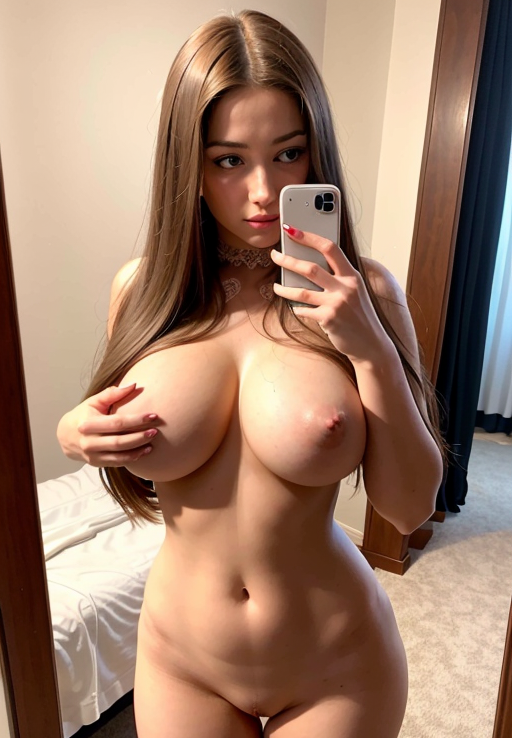
Tjusningen med bystiga eskorttjejer
Som en erfaren kännare av eskorttjänsternas förtrollande värld har jag haft nöjet att ägna mig åt olika möten som överskrider bara sällskap. Idag siktar jag på att kasta ljus över den fängslande världen av bystiga eskorttjejer och avslöja deras oemotståndliga charm och den myriad av exotiska tjänster de erbjuder. Gör dig redo för en okonventionell resa in i en värld där fantasi och verklighet flätas samman.
Konsten av sensuellt sällskap
En bystig eskorttjej har en aura som kan fängsla även de mest kräsna individer. Deras självförtroende, intelligens och magnetiska personlighet gör dem till idealiska följeslagare för sociala evenemang, affärsengagemang eller privata eskapader. Utöver sina fysiska egenskaper är dessa förtrollande damer skickliga samtalspartners, som utan ansträngning kan engagera sig i meningsfulla diskussioner och skapa en atmosfär av äkta anslutning.
Eskorter är specialiserade på att skapa oförglömliga upplevelser, skräddarsy sina tjänster för att tillgodose individuella önskemål och fantasier. Oavsett om du letar efter en sinnlig massage, en romantisk middag eller en äventyrlig kväll på stan, är dessa fängslande eskorter experter på att leverera en upplevelse som gör dig sugen på mer.
En rad exotiska tjänster

När du ger dig ut på en resa med en bystig eskorttjej kan du utforska en skattkammare av unika och exotiska tjänster som lyfter ditt möte till nya höjder av nöje. Låt oss fördjupa oss i några lockande möjligheter:
Förförelsens älskarinna: Föreställ dig ett möte med en förförisk förtrollare, som vet hur man retar och behagar. En kväll med en skicklig frestare kan tända passioner som du aldrig visste fanns, vilket gör att du längtar efter mer i jakten på nöje.
Den sensationella rollspelaren: Kliv in i en värld av fantasi, där dina djupaste önskningar och hemliga fetischer kommer till liv. En bystig eskorttjej som är väl insatt i rollspelskonsten kan förvandlas till en kvav sjuksköterska, en dominerande dominatrix eller en oskyldig skolflicka och skapa en upplevelse skräddarsydd efter din fantasi.
Äventyrssökaren: För dem med en äventyrlig anda kan eskorter vara dina perfekta resesällskap. Föreställ dig att utforska exotiska resmål hand i hand med en livlig och fängslande skönhet, skapa minnen som kommer att vara livet ut.
The Naughty Duo: Vill du uppleva den ultimata sensuella fantasin? Skäm bort dig i sällskap med två förtrollande eskorter, skapa en lockande ménage à trois som överträffar det vanliga. Gör dig redo för en oförglömlig eskapad som kommer att tänja på njutningens gränser.
Respekt och gränser

Inom eskorttjänsterna är det viktigt att komma ihåg att ömsesidig respekt och tydlig kommunikation är av största vikt. Det är viktigt att behandla eskorten med största värdighet och upprätthålla gränser som garanterar en säker och njutbar upplevelse för båda inblandade parter. Samtycke och respekt för personliga gränser bör alltid stå i främsta rummet vid alla möten.
En värld bortom tabun
Tvärtemot samhälleliga tabun kan det vara en befriande och stärkande upplevelse att utforska eskorternas värld. Genom att omfamna våra önskningar och söka en eskorts sällskap ger vi oss ut på en resa av självupptäckt och tillåter oss själva att utforska nya dimensioner av njutning och intimitet.
Det är viktigt att närma sig dessa möten med ett öppet sinne, avskaffa dömandets bojor och omfamna skönheten i mänsklig koppling och sällskap, fri från begränsningarna av samhälleliga normer.
Eskortvärlden, särskilt bystiga eskorttjejer, erbjuder en rad fascinerande upplevelser som kan låsa upp dolda önskningar och tända passionens eld. Dessa förtrollande följeslagare är mer än bara fysiska skönheter; de är skickliga i konsten att skapa meningsfulla kontakter och ge oförglömliga möten.

Kom ihåg att att utforska världen av exotiska eskorter är en intim resa som bör inledas med respekt, samtycke och en vilja att gå utanför samhälleliga normer. Omfamna det extraordinära och upplev ett rike där fantasier blir verklighet, och lämnar dig med minnen som kommer att finnas kvar hela livet.
